
Beyond the bus
KNX next to everything else.
Modbus, BACnet, VRF, Zigbee and iNELS reach the same interface. The bus stops being the edge of the project.
How the platform fits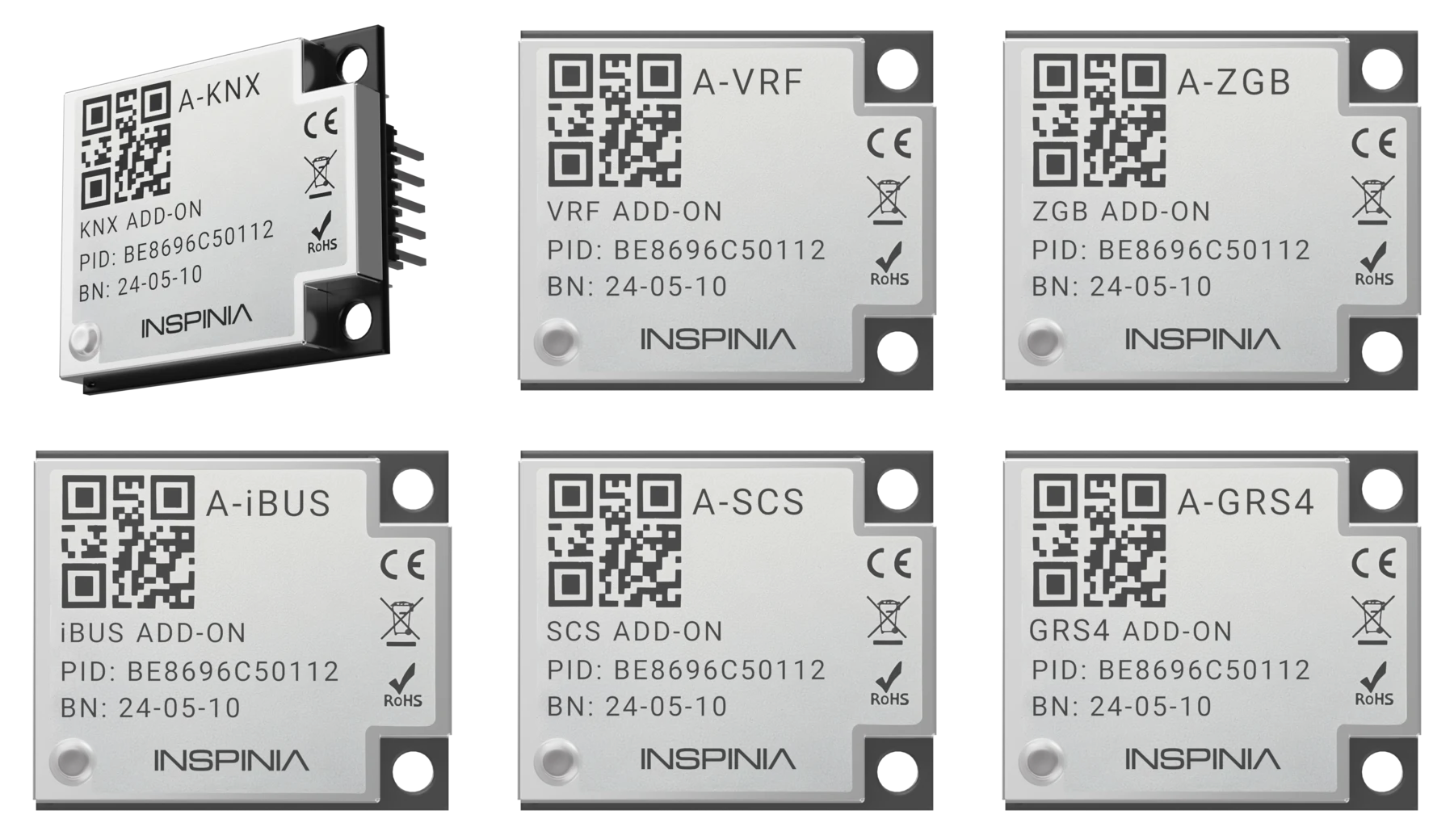
Solutions · KNX
Solutions
A proven standard, given an interface people can read and a platform that does not replace it.

Hundreds of manufacturers, one bus. Nothing here is proprietary, and nothing ties the building to us.
Lighting, heating and cooling on one set of rules, so the building stops paying for empty rooms.
Group addresses are added, not migrated. What is commissioned today survives the next fit-out.
01On the bus
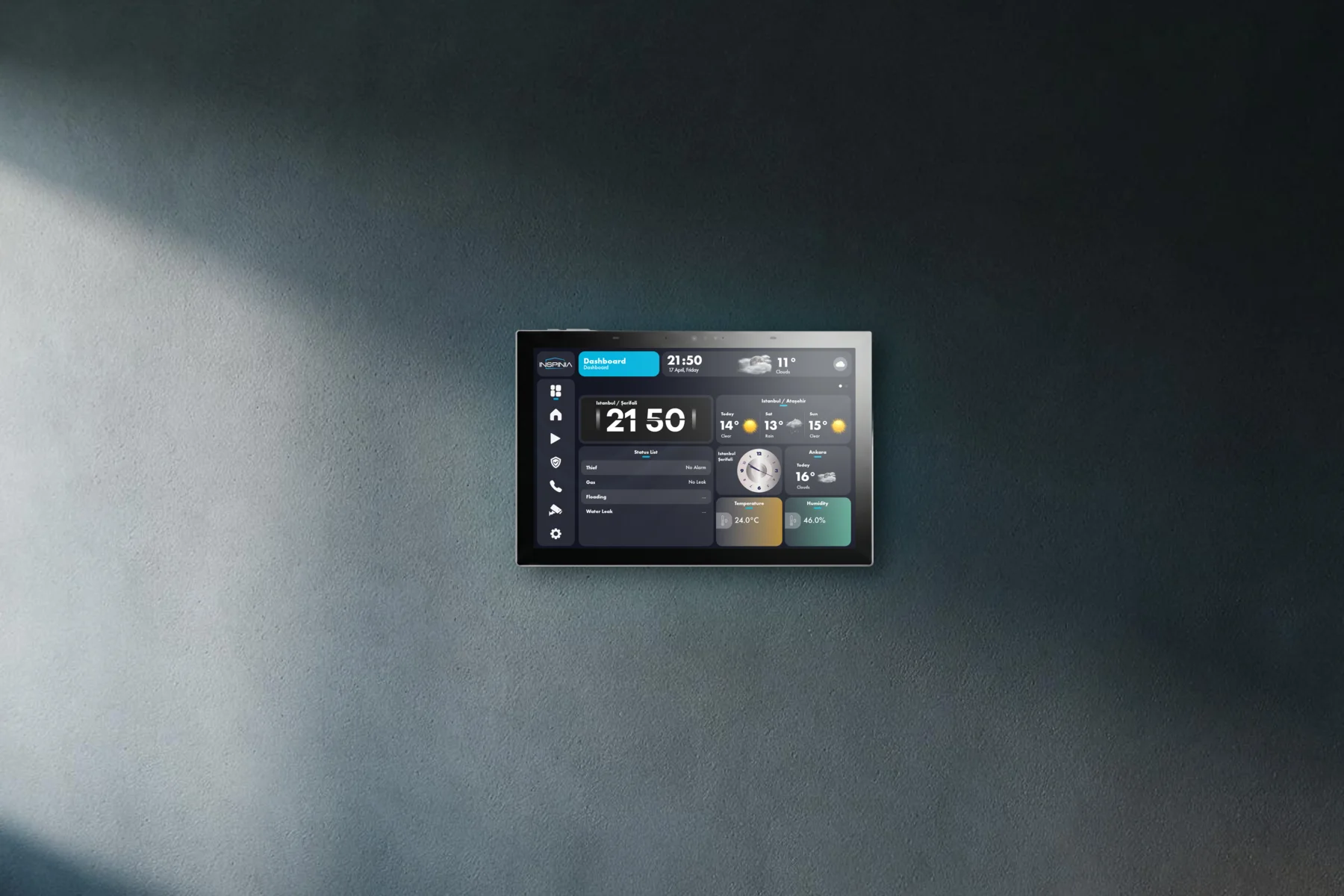
Group addresses, scenes and feedback, spoken natively by the framework on the device — not translated by something else in the rack.
See the panelsBeyond the bus
Modbus, BACnet, VRF, Zigbee and iNELS reach the same interface. The bus stops being the edge of the project.
How the platform fitsClimate and plant
The AC gateways put split units and VRF onto KNX as ordinary bus devices — mode, setpoint, fan and lockout per indoor unit. The plant stops being a separate system with its own remote on the wall.
Servers and gateways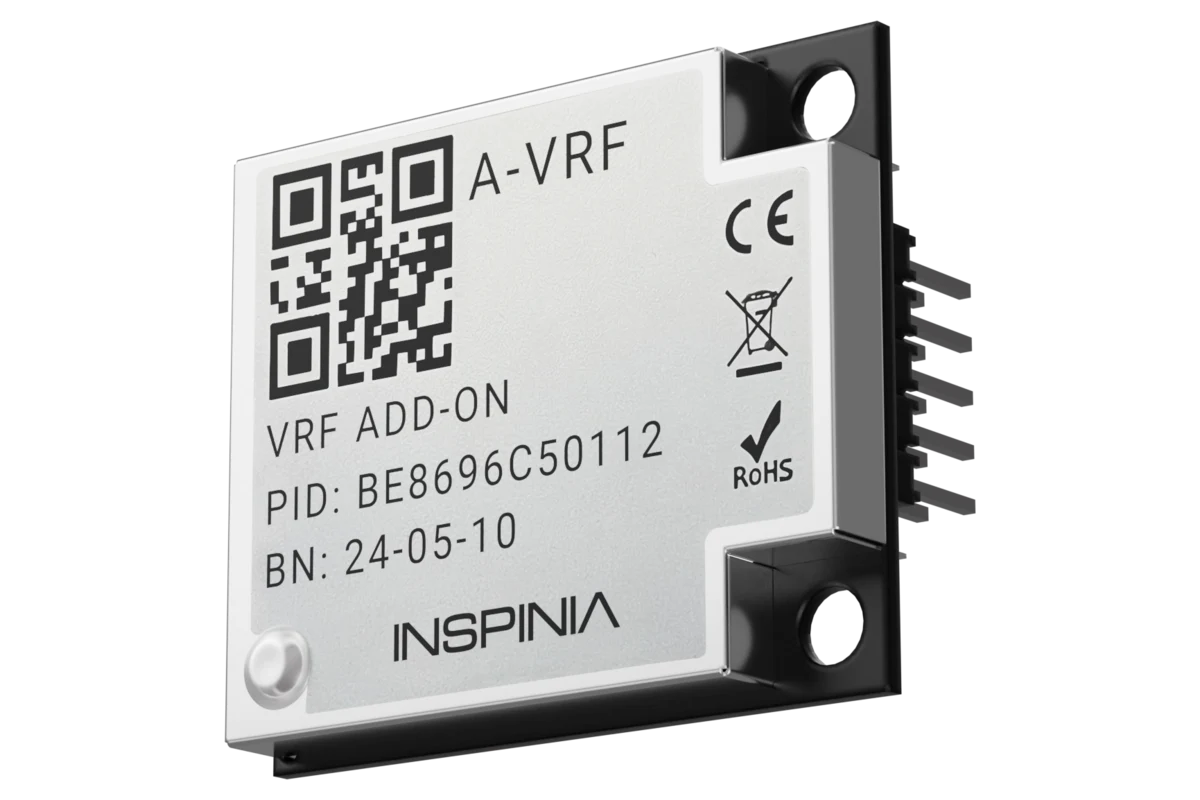
The server
A DIN-rail server that holds the KNX logic for the building: lighting, HVAC and VRF, security, schedules and scenes, processed locally and reachable remotely. Compact, scalable, and specified on projects where the panel is not the whole system.
Mini Server specification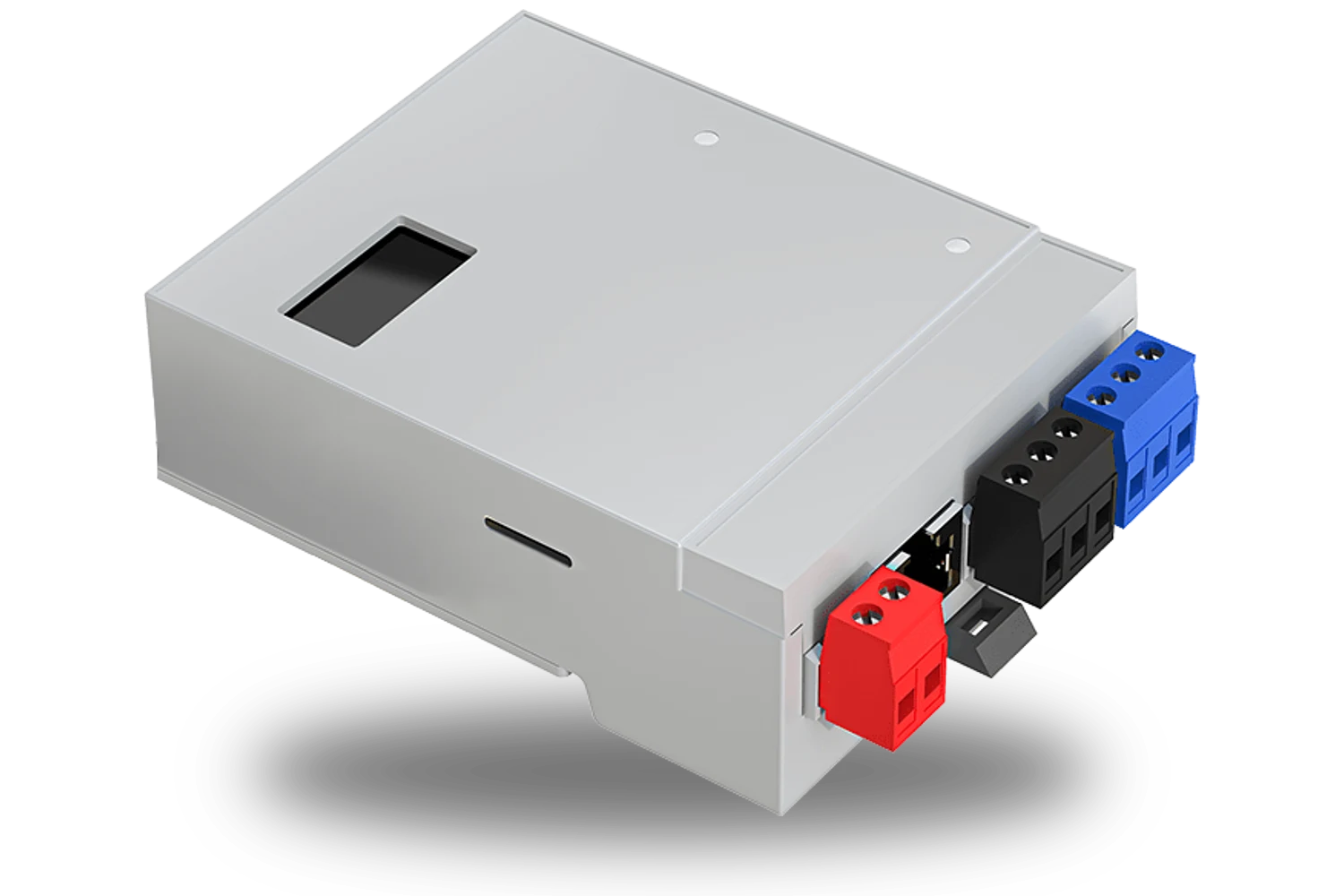
How it works
The panels, the room controllers and the gateways carry KNX through the add-on module, so they sit on the bus as devices rather than beside it. From there the sensors, actuators and controllers are read and written directly — lighting, HVAC and VRF, shading — from the panel, the web or the app.
KNX topology
Every KNX device on one interface, with no translation layer standing in between.
Air conditioning and VRF reached from the same screen as the lights.
KNX sensors and actuators drive the plant, so setpoints follow the room in real time.
KNX solutions
Heating, cooling and ventilation on setpoint, schedule and occupancy — per room, not per floor.
01
Levels, scenes and schedules across the bus, switched or dimmed from the panel, the wall or the app.
02
Blinds and curtains on sun position, glare and privacy, working with the climate rather than against it.
03
Alarm state, door contacts and access events read on the same interface as everything else.
04
Sources and zones next to light and climate, so the room is one control instead of four remotes.
05
Meters and sensors reported live, with the loads that can be shed named in advance.
06
Capabilities
Read and written directly by the SkyThings framework.
Defined once, reached from the panel, the app and the web.
Rules run on the device. Losing the cloud does not lose the room.
Projects, licences and monitoring in one place, per site.
One interface on the panel and in a browser. Built, not drawn twice.
The same system in a pocket, for everyone who needs it.
The group address list, the room count and the panel sizes. We reply with a specification.