
An IoT device is a physical object with sensors, software and a network connection, able to exchange data with other devices and systems. The category is deliberately wide: a temperature sensor in a bedroom and a chiller in a plant room are both IoT devices. What makes them useful is not the sensing but the connecting — an interconnected environment can be automated, measured and improved. An isolated one cannot.
Why it matters
For homeowners, facility managers and business owners, IoT devices supply the two things automation needs: real-time data about what a building is doing, and a way to act on it. That is where operating cost, comfort and security improvements actually come from.
Where it is used
- IoT in the smart home — lighting, heating, security and appliances controlled from a phone or a panel.
- IoT in building automation — HVAC, lighting and access automated and metered across commercial and industrial sites.
- IoT gateways — the bridge between devices and the platform that manages them, and the place real-time monitoring becomes possible.
- Secure gateways — the same bridge, with the traffic between devices and network protected rather than assumed safe.
How Inspinia does it
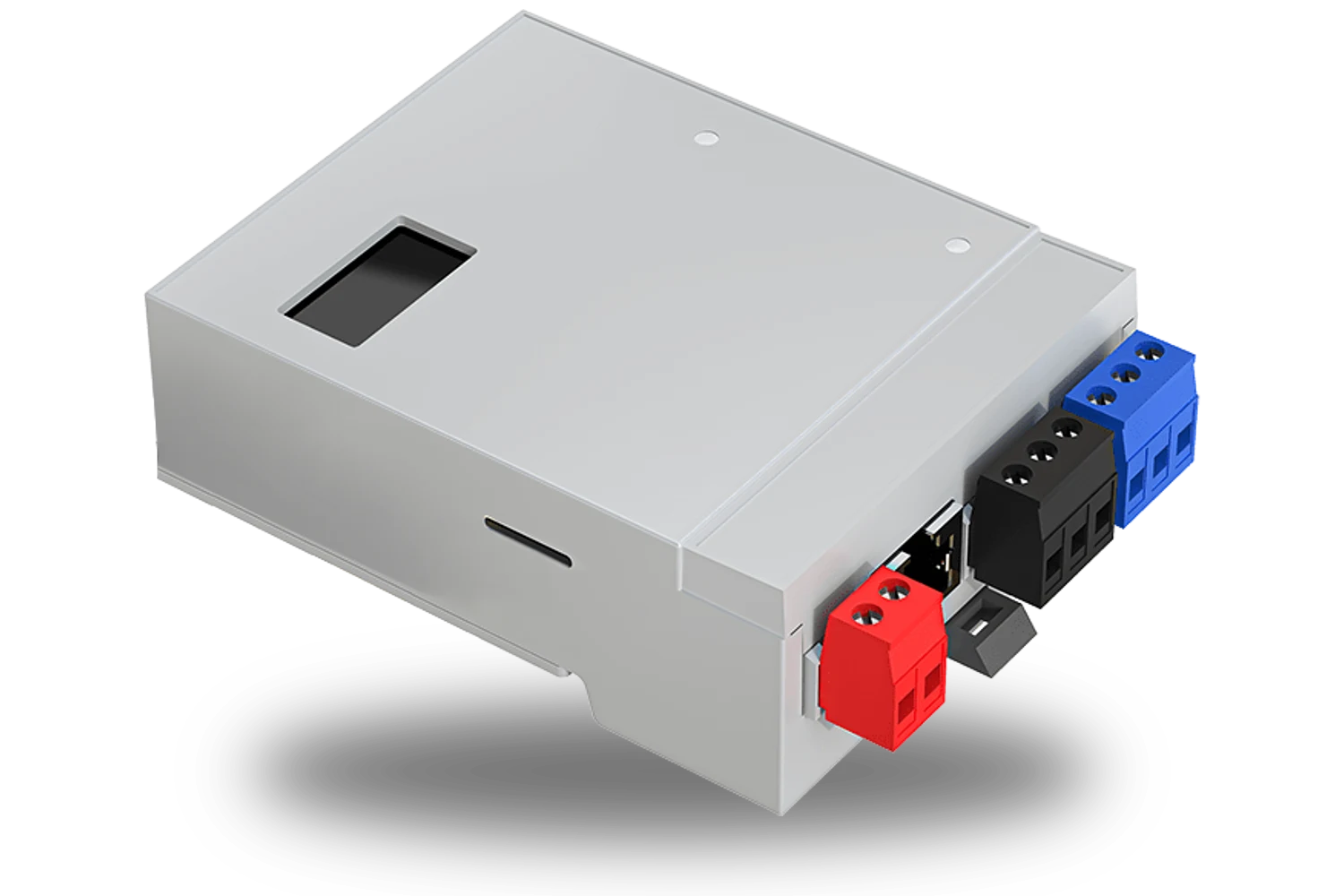
Inspinia's servers and gateways are the IoT gateway layer: they sit between the devices on site and SkyPlatform, and they carry the logic. Because the rules run locally, a lost connection degrades reporting, not control. The platform above handles projects, licences and monitoring per site, so a single home and a whole building complex are managed the same way.
What to look at next
The SkyThings framework page describes the protocol layer, and the Products page lists the servers and gateways that implement it.